Choosing the Right Globe Valve Material for Your Media
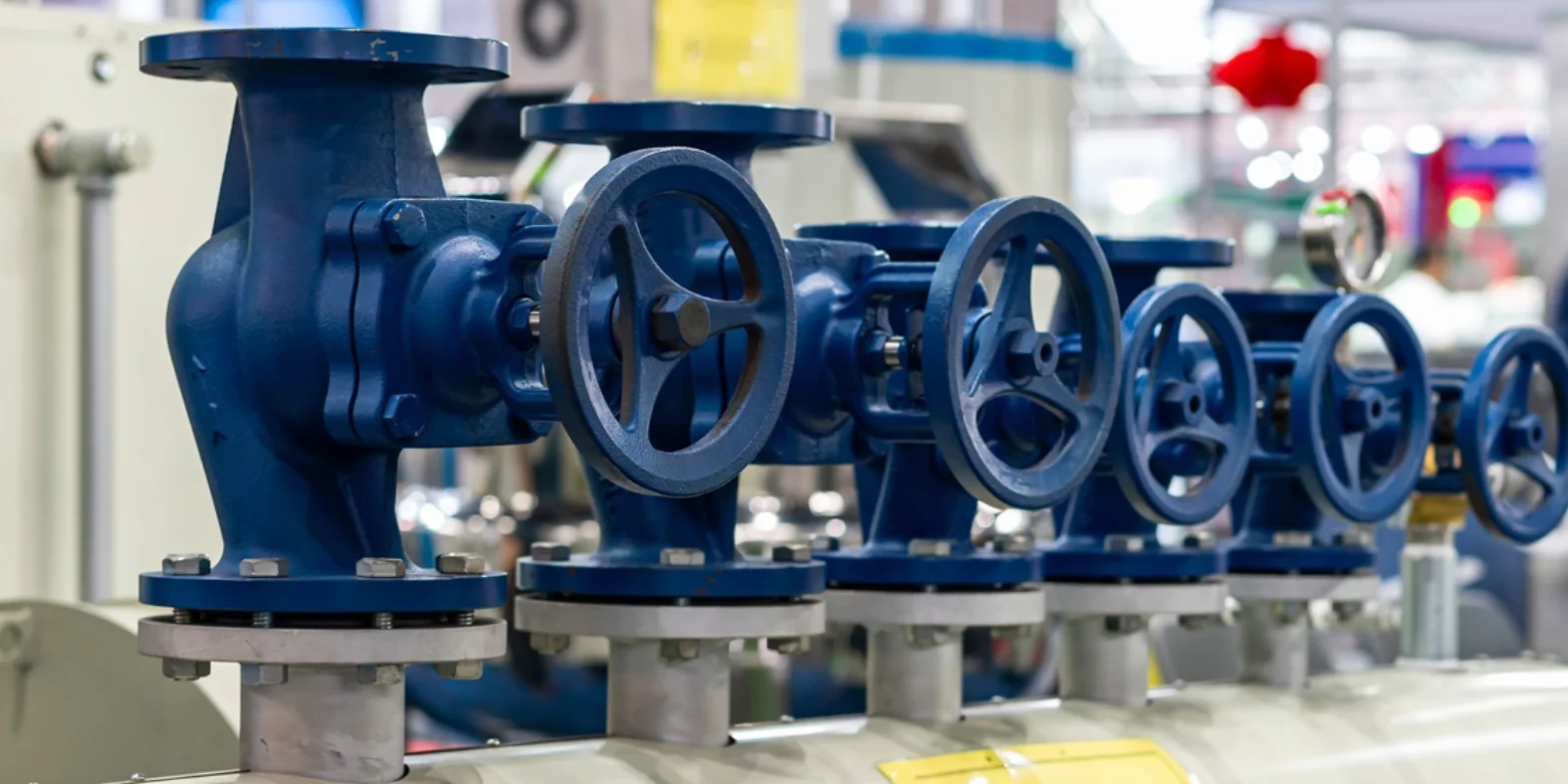
Choosing the right globe valve material is critical for safety, reliability, and lifetime cost. The wrong choice can lead to leaks, unexpected shutdowns, and even catastrophic failure.
Key factors before choosing a material
Before picking carbon steel, stainless, alloy, or anything exotic, clarify:
Media type – clean water, steam, oil, chemicals, slurries, gases.
Temperature and pressure – especially continuous vs peak.
Corrosiveness – chlorides, acids, alkalis, sour service, saltwater.
Solids and abrasiveness – suspended particles, slurries, scaling.
Regulations and standards – PED, ATEX, hygiene, offshore, refinery specs.
Having this defined first stops you selecting a “cheap” material that becomes very expensive later.
When to choose carbon steel
Carbon steel is often the default in industrial plants.
Use carbon steel when:
Media is non-corrosive or only mildly corrosive (e.g. clean steam, many hydrocarbon services).
Temperatures are moderate to high, where cast iron is no longer suitable.
Budget is tight, and you want a robust, weldable, widely available material.
Typical applications:
Boiler feed lines, steam distribution (within limits).
Oil and gas lines with clean, non-corrosive hydrocarbons.
General industrial services where corrosion risk is low.
Failure risks if you misuse carbon steel:
External corrosion in marine or damp environments if not properly coated.
Internal corrosion and pitting if used with corrosive chemicals, chlorides, or untreated water.
Hydrogen-induced cracking in certain sour services if material selection and testing are inadequate.
Rule of thumb: choose carbon steel when conditions are well understood, corrosion risk is low, and you need a strong, cost-effective workhorse material.
When to choose stainless steel
Stainless steel is your go-to for corrosion resistance and cleanliness.
Use stainless steel when:
Media contains chlorides, acids, or aggressive chemicals at meaningful concentrations.
You need good corrosion resistance with reasonable strength over a wide temperature range.
Cleanability and hygiene are important (food, pharma, some water treatment).
Typical applications:
Chemical dosing lines and many process chemical services.
Condensate and water systems with oxygen and salts present.
Offshore and coastal installations where external corrosion is severe.
Failure risks if you choose the wrong stainless:
Chloride stress corrosion cracking in some grades at higher temperature (e.g. standard 304/316 in hot, chloride-rich environments).
Galvanic corrosion if connected to dissimilar metals without planning.
Unexpected pitting if the alloy is not resistant enough for the specific chemical mix.
Rule of thumb: choose stainless when you need corrosion resistance plus mechanical strength, especially where carbon steel would suffer premature attack.
When to choose alloy steels
Alloy steels are used when temperature and pressure push beyond what standard carbon steel comfortably handles.
Use alloy steels when:
You have high-temperature steam or superheated steam.
You need improved creep resistance and long-term strength at elevated temperature.
Codes or client specifications demand specific high-temperature materials.
Typical applications:
Main steam lines in power plants.
High-temperature refinery and petrochemical services.
Critical valves close to boilers or reactors where failure is unacceptable.
Failure risks if you under-specify:
Creep and deformation over time at high temperature, leading to leakage and misalignment.
Thermal fatigue cracking from cycles of heat-up and cool-down.
Reduced safety margins if actual conditions exceed what the material can handle.
Rule of thumb: choose alloy steels when high temperature plus long service life are key, and the cost of failure far outweighs the increased material price.
When to choose special and exotic materials
Special materials (e.g. duplex stainless, super-duplex, nickel alloys like Hastelloy, high-nickel or titanium) are for severe conditions.
Use special alloys when:
Media is highly corrosive, such as strong acids, high chloride brines, sour gas, or mixed aggressive chemicals.
You operate in offshore or subsea environments with extreme external corrosion.
Failure would cause serious safety, environmental, or financial damage.
Typical applications:
Sour service in oil and gas with high H2S and chlorides.
Offshore topsides and subsea valves exposed to seawater and harsh chemicals.
Chemical plants handling strong acids/alkalis at significant temperature and pressure.
Failure risks if you avoid special materials where they are needed:
Rapid through-wall corrosion, sometimes within months.
Stress corrosion cracking causing sudden, brittle failures.
Costly unplanned shutdowns, environmental incidents, and reputation damage.
Rule of thumb: choose special materials when standard or basic stainless steels demonstrably fail, or when design standards and risk assessments require the highest level of resistance.
Putting it together: practical selection approach
To make a practical decision for a globe valve:
Define the media and operating envelope (pressure, temperature, concentration, solids).
Check previous failure history on site – where have valves corroded, leaked, or worn out fastest?
Start with the cheapest material that might work, then ask, “What’s the cost if it fails early?”
If the cost of failure is high, step up to stainless, alloy, or special materials until risk is acceptable.
In many cases, spending more up-front on the right globe valve material is significantly cheaper than repeated failures, lost production, and emergency replacements.